- Sep 18, 2025
- 8 min read
Gaining Ground: How U.S. Firms Find Silver Linings in Tariff Turbulence
The sweeping tariffs introduced under the Trump administration have certainly shaken up global supply chains, inflated import costs, and stirred concern among consumers. But beneath the surface, some U.S. companies are not just weathering the storm—they’re capitalizing on it. From steel producers seeing windfalls in revenue to retailers riding resilient consumer demand, and forward‑looking tech and manufacturing firms using artificial intelligence to cut cost inefficiencies—some sectors are finding ways to gain ground amidst the disruption. †
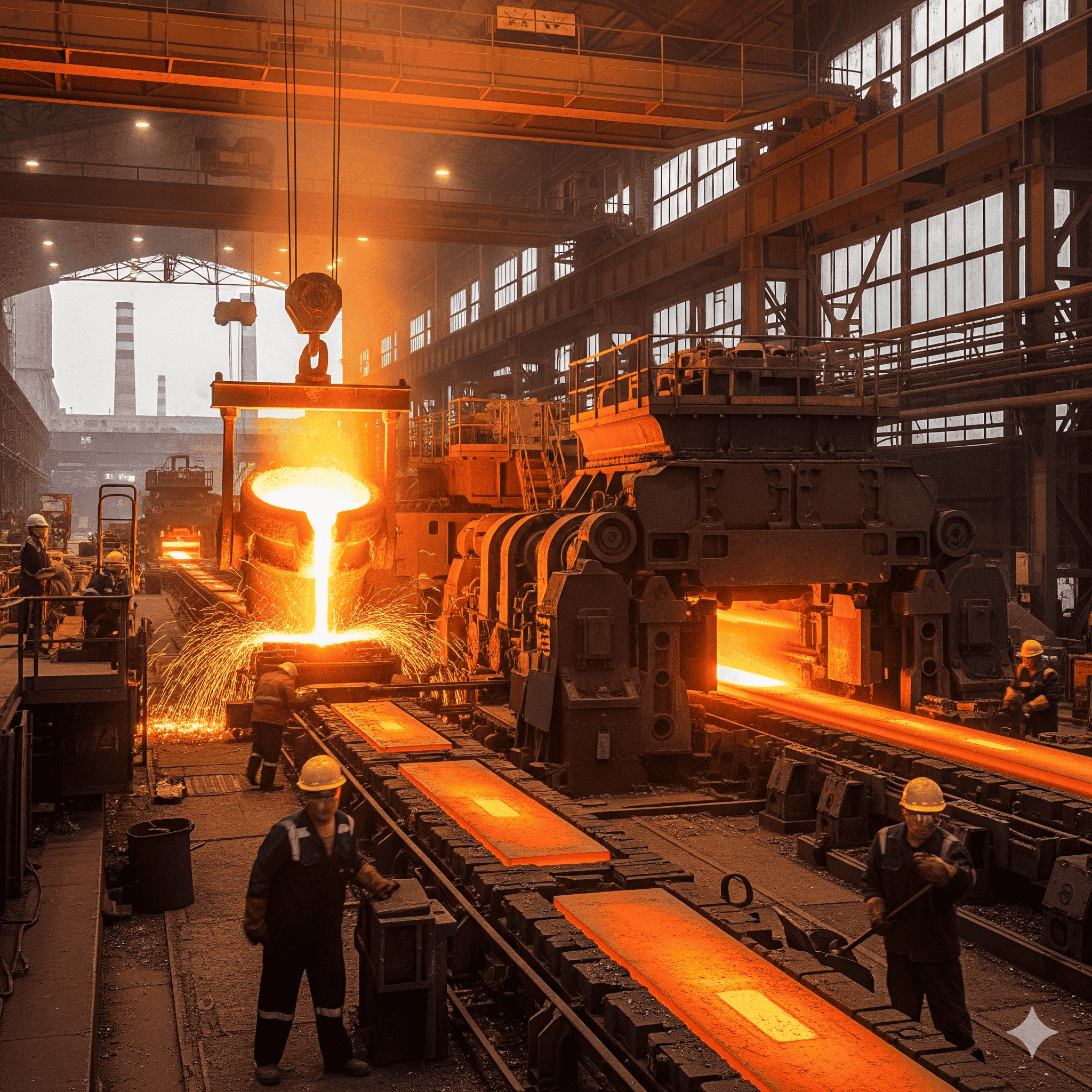
Take, for example, Steel Dynamics. Its CEO, Mark Millett, called the expanded U.S. steel and aluminum import tariffs “extremely beneficial” for his company. He cited the rise in domestic demand as foreign, unfairly low‑priced steel is squeezed out by tariffs. Since the beginning of 2025, the spot‑market price for coiled sheet steel has surged by about 38%, and Steel Dynamics reported a 39% boost in steel operations income in the first quarter compared to the previous one. To meet this growth in demand, the company is accelerating production at its new plant in southern Texas and preparing to begin aluminum sheet production at a new rolling mill in Columbus, Mississippi. †
Resilient Consumer Demand Gives Retailers Breathing Room
Despite inflation, job uncertainty, and higher prices, U.S. retail sales rose 0.6% in August compared to July—better than many analysts predicted. Excluding autos, which have greater volatility, retail sales rose 0.7%. Strong performance in sectors such as clothing, electronics, and restaurants helped offset weaker areas like furniture. † Even with tariffs biting, consumers appear willing to spend—possibly front‑loading purchases in anticipation of even higher prices. †
Some of this spending surge can be attributed to “buy‑ahead behavior”—shoppers purchasing durable goods or electronics before anticipated price hikes take effect. Retailers report that items like seasonal apparel and gadgets had stronger sales breaks, which helped soften the headline inflation and tariff‑related pressure. † The robustness in consumer spending provides breathing room for companies to adapt without immediate revenue collapse.
AI: The Tactical Edge Against Tariff-Driven Costs
Another key trend: U.S. manufacturers and supply chain heavyweights are increasingly turning to artificial intelligence to navigate the evolving tariff landscape. With tariffs imposed on imports from more than 90 countries—some as high as 50%—companies are under pressure to optimize procurement, reduce waste, and avoid unnecessary costs. †
For example, a large healthcare supplier integrated an AI tool that helped it streamline vendor bidding processes, trimming purchasing costs. Another firm reworked its classification of imported items using AI‑driven categorization to avoid double tariffs on mis‑classified goods, boosting cost savings significantly. † These adjustments can be labor‑intensive in an old system, but with AI these firms can simulate scenarios, track tariff changes in real time, and react more dynamically.
Strategic Moves & Market Shifts: Winners and Challenges
In sectors like steel and aluminum, domestic producers are clearly among the winners. Steel Dynamics, for example, is investing heavily in ramping up capacity to satisfy demand that foreign competition can no longer meet because of tariff barriers. † These shifts are not just about short‑term gains—they may reshape supply chains long term: companies may invest in domestic production or move certain manufacturing steps back to the U.S. to avoid tariff exposure.
That said, the landscape is far from uniformly positive. Retailers warn that rising cost of goods, especially imports, will squeeze margins. Some are absorbing costs now, others are passing them to consumers via higher prices. Inflation pressures remain real, and for lower‑income consumers, even modest price hikes hit hard. †
What Firms Should Do to Capitalize & Protect Margins
- Audit your supply chain to find imported inputs most exposed to the highest tariffs; then explore domestic or alternate sourcing where possible.
- Negotiate with vendors and customers to share risk—for example, draft pricing contracts that include clauses for changing tariff or duty rates.
- Measure demand headwinds: consider adjusting inventory and product mix toward goods less affected by tariffs, or those that consumers are buying ahead of price rises.
- Invest in technology—especially AI tools—for procurement, classification, logistics and dynamic cost modeling. These can reveal inefficiencies and help optimize for changing rules. †
- Use scenario‑planning tools like the USA Tariff Calculator (free) to estimate how tariffs affect pricing, margins, and supply chain costs.
Overall, while U.S. tariffs have imposed higher costs and uncertainties, they have also opened doors for domestic producers, allowed consumers to frontload purchases, and pushed companies toward greater efficiency. The firms best positioned for success are those that move quickly, adapt intelligently, and lean into innovation to offset what looks like headwinds.
Sources
- “Steel Dynamics Embracing Tariffs, Ready to Capture New Demand, CEO Says” — WSJ
- “Retail sales up 0.6% in August from July even as tariffs hurt jobs and lead to price hikes” — AP News
- “U.S. companies are using AI to help offset increased tariff costs” — Business Insider