- Aug 21, 2025
- 5 min read
Steel, Aluminum, Wind Turbines & More: U.S. Broadens Sectoral Tariffs in August
In August 2025, the United States government expanded its tariffs on steel and aluminum products, adding 407 new items across multiple sectors including renewable energy, heavy machinery, and electric vehicle components. This significant tariff broadening aims to shield domestic industries and address national security concerns linked to foreign dependencies in key supply chains. †
Initially imposed under Section 232 of the Trade Expansion Act, these tariffs have traditionally targeted imported steel and aluminum to protect U.S. producers. However, this latest expansion, effective August 19, 2025, now encompasses a wider range of finished products and components with embedded steel and aluminum content. The move applies a 50% tariff rate on the relevant content of these products. †
Expanded Product List and Sectors Impacted
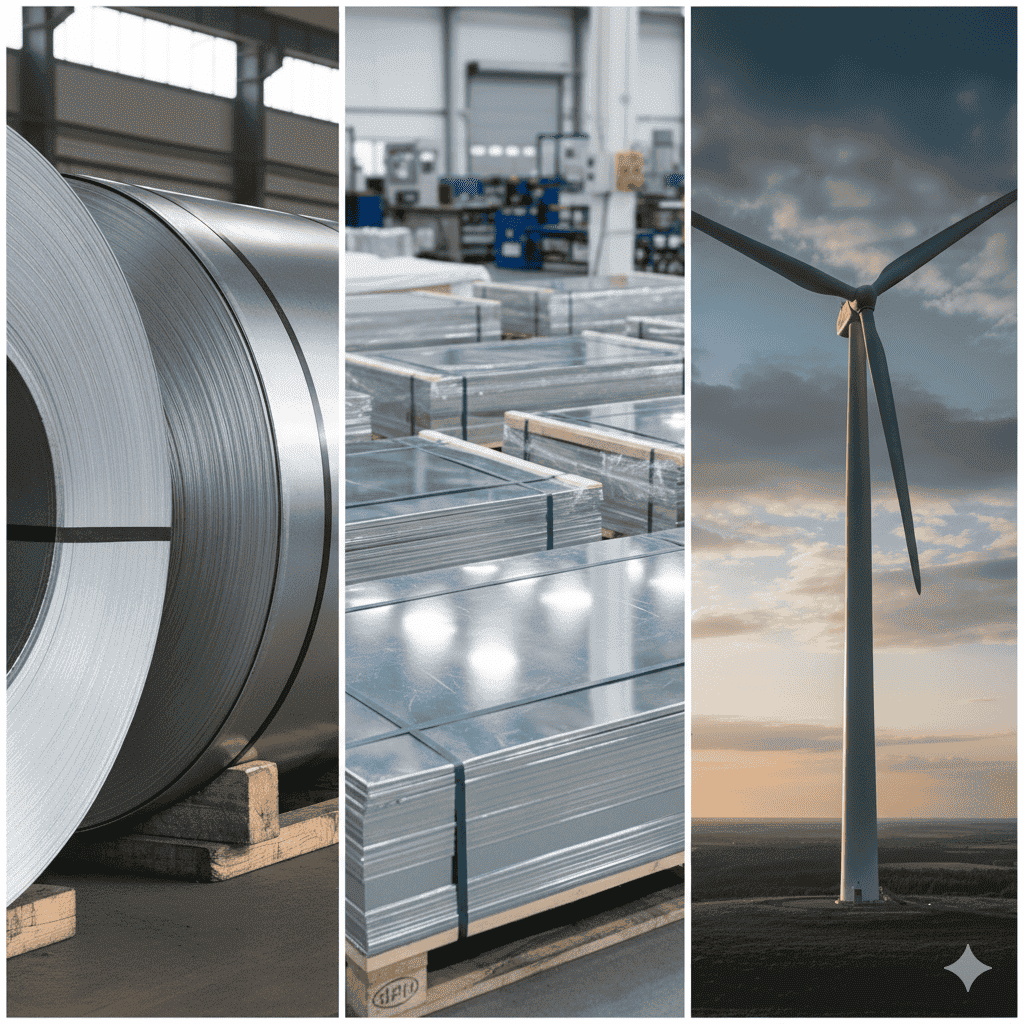
The newly added product categories cover a diverse range of industries. Notably, wind turbines and their components are now subject to these tariffs, reflecting concerns over reliance on imported renewable energy infrastructure. Other affected products include:
- Wind turbine blades, towers, and electrical components
- Mobile cranes, bulldozers, and construction machinery
- Railcars and heavy-duty vehicles
- Household appliances and furniture
- Compressors, pumps, and industrial equipment
- Automotive exhaust parts and electrical steel used in EVs
The U.S. Department of Commerce explained that these tariffs are designed to prevent tariff circumvention where foreign manufacturers could exploit gaps by importing finished products rather than raw steel and aluminum. This measure strengthens the original intent of Section 232 tariffs to protect national security and domestic industry. †
National Security Review on Wind Turbine Imports
Beyond tariff expansions, the Commerce Department also launched a national security investigation under Section 232 into imported wind turbines and related components. This investigation evaluates whether U.S. reliance on foreign-made turbines poses risks to critical infrastructure or supply chain resilience. †
The renewable energy sector is strategically important to the U.S.'s clean energy transition goals, yet concerns remain over the dependence on imports from countries that may provide unfair subsidies or maintain geopolitical leverage. The investigation could result in additional tariffs or trade remedies if imports are deemed a threat to national security.
Economic and Industry Implications
The tariff expansion affects a broad swath of American industries. Manufacturers that depend on imported steel and aluminum inputs will face increased costs, which may be passed on to consumers. This could impact prices for products ranging from household appliances to renewable energy equipment and EV components. †
Industry stakeholders have expressed concern over potential supply chain disruptions and inflationary pressures. Some renewable energy companies argue that tariffs on wind turbine parts could slow the deployment of clean energy projects and undermine climate goals.
Conversely, U.S. steel and aluminum producers welcome the expanded protection, viewing it as essential to maintaining domestic production capacity and supporting American jobs in manufacturing.
Looking Ahead: Trade and Policy Considerations
The expanded tariffs reflect a continuing trend of leveraging trade policy to support national security and industrial strategy. The ongoing Section 232 investigations signal that the U.S. government remains focused on securing critical supply chains, especially in emerging technologies and infrastructure sectors. †
However, balancing protectionist measures with international trade commitments and industry innovation will require careful policy calibration. Stakeholders across sectors will closely monitor further developments, including the outcomes of the wind turbine import review and potential adjustments to tariff enforcement.
Businesses impacted by these tariffs should proactively assess supply chain risks and explore opportunities to increase domestic sourcing or diversify suppliers to mitigate cost pressures. A practical starting point is using the USA Tariff Calculator, a free tool that helps businesses evaluate current or potential duties and model cost scenarios in real time.
Sources
- “US extends 50% steel tariff to wind turbines and components” — Recharge News
- “US hikes steel, aluminum tariffs on imported appliances, railcars, EV parts” — Reuters
- “US expands steel and aluminum tariffs to 407 new products” — IBFD
- “US steel tariffs expanded to 407 products including wind turbines” — Renewables Now
- “Steel, Aluminum Tariffs & Renewable Energy Imports” — Discovery Alert